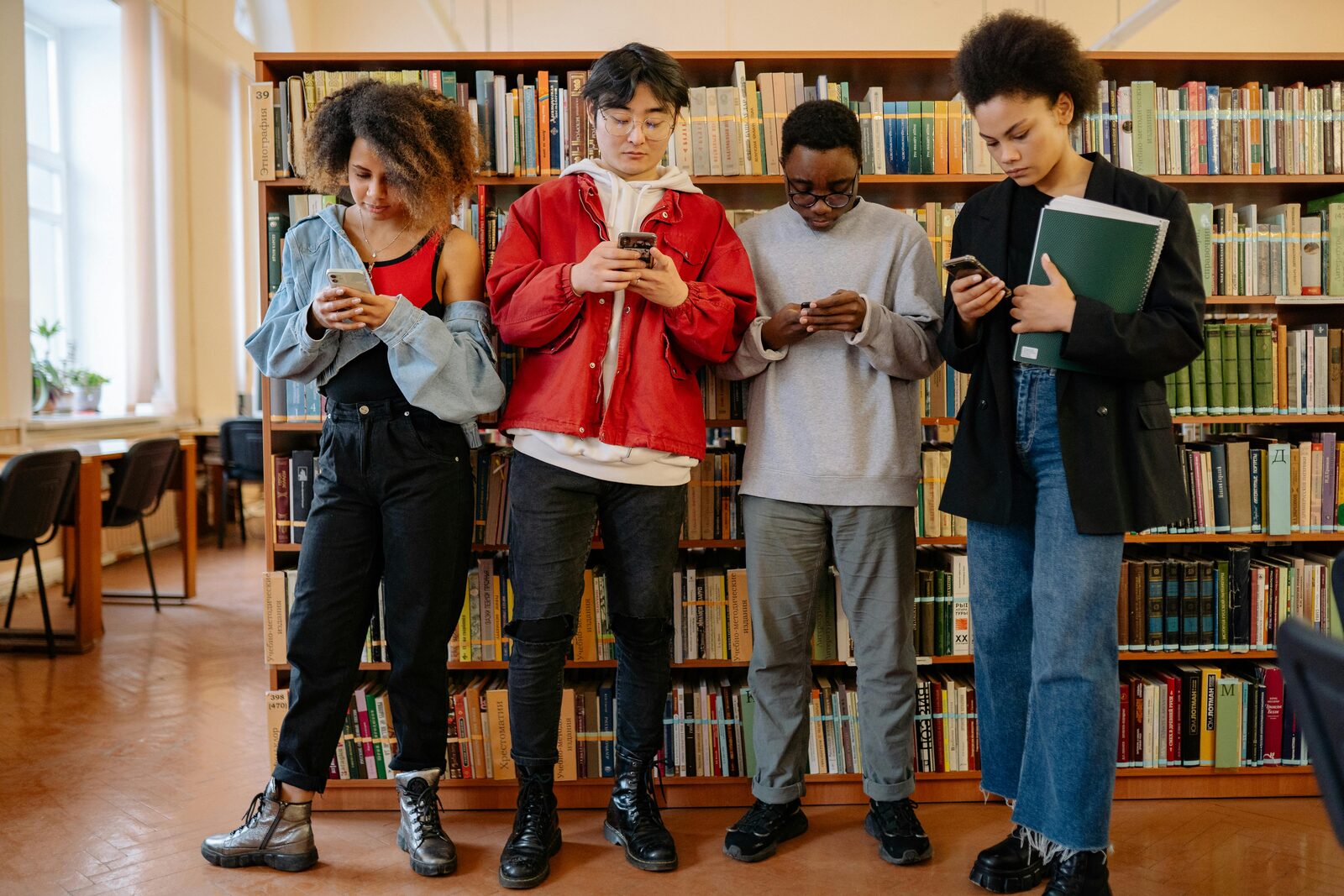
It looks like simple texting. It is more than that.
For many children WhatsApp is their first social network: group chats, viral videos and a current of peer pressure that follows them home from school. It is worth understanding what sits behind that little green icon before you say yes.
Is WhatsApp safe for kids?
WhatsApp is not designed for young children: its minimum age is 13, lowered from 16 in 2024. It avoids the endless algorithmic feed, so in some ways it is safer than TikTok or Instagram, but it is not simply texting. The risk parents most often underestimate is what other children can send into everyday group chats, which no privacy setting prevents. Whether it is right for your child comes down to the questions below, not the app itself.
The risk most parents miss: it usually is not strangers, it is other children
In the everyday group chats your child is allowed to join, such as the class chat, any member can send images and videos straight into the conversation. That includes pornography, violence, racism and cruelty. Privacy settings do not stop this, because your child is a welcome member of the group.
A few facts worth holding onto:
- WhatsApp is rated 13+, lowered from 16 in 2024.
- Messaging apps are now the most common place children are bullied online, ahead of social media (Ofcom).
- Even under the UK’s planned under-16 social media rules, WhatsApp is treated as a messaging service and is not covered by the ban – which is not the same as it being low-risk (GOV.UK).
Eight things behind that little green icon
- It becomes their whole social world. Class and friendship chats run all day, with the FOMO, exclusion and fallout that no longer stop at the school gate. Among children who are bullied, Ofcom finds it is now more likely to happen on a device (84%) than face to face (61%), and it usually comes from someone they already know.
- The danger is inside groups they are allowed to join. Not strangers, classmates. In ordinary class and friendship chats, any member can drop in pornography, violent clips, racism or cruelty. Locking down privacy settings does not help, because your child is a welcome member. Northumbria Police, for example, have warned schools about harmful content spreading through WhatsApp groups used by primary-school children.
- It arrives as images and video, not text. Photos and clips hit harder than words, and research commissioned by Ofcom found that frequent exposure to disturbing content online can contribute to its normalisation and desensitisation over time.
- Messages disappear. Disappearing and "view once" messages mean content may be gone before a parent has any chance to see it.
- Encryption cuts both ways. Strong privacy and security for your child, but harmful content and grooming are also harder for parents and platforms to spot.
- Grooming hides in encrypted chats. Predators rarely start on WhatsApp. They make first contact on open, mainstream apps, then steer children onto private, encrypted messaging, where abuse can carry on out of sight. The NSPCC warns that much of this abuse is moving into private messaging precisely because it is so hard to detect.
- It is not just messaging now. WhatsApp "Channels" let children follow influencers, celebrities and organisations, turning it into something to consume, not just a place to chat.
- It is a gateway to other apps. Once friends are chatting here, the pressure builds to join Snapchat, TikTok and Instagram. One campaigner called WhatsApp a "gateway drug" for other social media.
Before you say yes, ask yourself
It is best not to leave this to chance. Six questions to work through:
- Is my child ready for group-chat dynamics: exclusion, gossip, conflict?
- Can they recognise and handle inappropriate content?
- Am I comfortable with content I may never see?
- Do they know not to share photos impulsively?
- Do they know how to mute, leave, block and report?
- Do I want the group chat, pressure and fallouts and all, following them into evenings and bedrooms?
Tick the ones you can answer with a confident "yes". The blanks are simply where to start the conversation.
The bottom line: safer than the feed, but not just texting
WhatsApp avoids the endless algorithmic feed, and it has real uses for keeping families in touch, so in some ways it is safer than the feed-driven apps. But it is not digital SMS. The everyday risk most parents underestimate is simple: in the groups children are allowed to join, classmates can send anything, including pornography, violence and cruelty, as images and videos that land straight in the chat, and no privacy setting prevents it.
The real question is not "can my child send messages?" It is "are they ready to receive whatever their classmates choose to send, and to cope when something disturbing arrives?"
If you are weighing that question, our companion piece looks at the fear that drives most of these decisions: will my child be left out without a phone? And because 13 is the age the platforms are built around, our guide on what happens when they turn 14 covers what changes then.
Get the printable WhatsApp guide
Pop in your email and we’ll send you the printable version to keep or share with other parents – plus the occasional note from Sayph. Unsubscribe anytime.
We’ll only use your email to send you the guide and occasional Sayph updates. See our Privacy Policy.
This guide is part of our complete UK guide to phones for kids.
Sources
- Ofcom – online bullying more common than offline; messaging apps the top channel
- Ofcom – encountering violent online content starts at primary school (normalisation and desensitisation)
- NSPCC (2025) – criminals using private messaging to groom children
- GOV.UK – new rules to protect children online (messaging services not covered by the under-16 ban)
- Northumbria Police – safeguarding alert on a harmful WhatsApp group reaching primary-age children
- Internet Matters (WhatsApp safety and group-add settings)
- Smartphone Free Childhood (guides and local parent groups)