Phone
Calls to the contacts you have approved, and only those.
Instead of: on most phones anyone with the number can ring, spam and strangers included. Here, approved contacts only.
Two parts work together: the phone your child carries, and Sayph Space, the app you keep on your own phone. Here is every app on the phone, and everything the parent app lets you do. Hover or tap any icon to see what it is for.
This page shows two mock-ups: the Sayph child's phone home screen with its apps, and the Sayph Space parent app home screen. Explanations for each app and feature are listed beneath each device.
A stylised re-creation of the Sayph phone home screen.
Each app, and what it is there instead of.
Calls to the contacts you have approved, and only those.
Instead of: on most phones anyone with the number can ring, spam and strangers included. Here, approved contacts only.
Their own photos, in one place.
Instead of: no auto-upload to social or cloud, no resurfaced memories, no sharing to people you have not approved.
Texting with approved contacts. No class group chats.
Instead of: WhatsApp opens group chats where any member can send anything. This stays one to one, with summaries for you.
Will I need a coat. Sorted.
Instead of: many free weather apps are packed with adverts and clickbait news feeds. This one shows the weather.
Take photos like any child would.
Instead of: usually one tap from posting to social or syncing to the cloud. Here it is a camera, and photos stay in the gallery. You can switch the front and rear cameras on or off separately from Sayph Space.
Music, without the rabbit holes.
Instead of: Spotify and YouTube keep pulling children on with recommendations and autoplay, and both serve up video too, not all of it meant for young eyes. Sayph Music is for listening, with no feed and no video, and you can switch it off entirely from Sayph Space.
Lists, homework, the half-written song.
Instead of: notes stay on the phone, with no sync to other accounts and nothing built in to share or browse.
Finding the way, and a little independence.
Instead of: mainstream maps fold in reviews, adverts and a way onto the open web, and they carry user-posted photos that are not always suitable for children. Sayph's is navigation, without any of that.
For homework, not hiding things.
Instead of: on open phones, calculator vault apps hide photos and chats. This one does sums, nothing else.
Alarms, timers, learning to be on time.
Instead of: the same as any clock, without being a doorway to anything else.
What is not here, by design: no app store, no web browser, no social media.
More on why those limits are built into the phone rather than bolted on top: how Sayph is different.
A stylised re-creation of the Sayph Space home screen, with example data.
What each part does, and the thinking behind it.
See where their phone is, with a plain summary of the usual pattern.
The approach: the summary is labelled AI-generated, so it points you to check rather than claims to know. Location needs data or wifi to update.
A daily score and a quick sense of how things look.
The approach: AI-generated and openly marked “AI can make mistakes”, so it is a nudge to pay attention, not a verdict to take as read.
A read on who they are talking to, and how it is going.
The approach: summaries designed to flag what is worth a look, calibrated to over-flag rather than miss. Not a transcript to pore over.
You are asked before any new contact is added.
The approach: nothing connects without your yes, so no unknown numbers reach your child.
Set schedules like school, bedtime or mealtime.
The approach: when a routine is on, the phone goes quiet, inert except for two lock-screen buttons to voice-call Mum or Dad. Connected, but not a distraction.
Switch individual apps on or off, remotely.
The approach: the front and rear cameras can each be turned off separately, and the music app too, so you decide what is live on the phone. This sits in the Monitoring tab, alongside the message, call and location summaries.
Share the phone's management with a co-parent or carer.
The approach: whoever opens the account is the primary and handles billing, but both of you get the same controls. One child, two grown-ups, the same page.
Geofence, activity and contact-request alerts, on your terms.
The approach: the app sits behind Face ID, and the data behind all of this is encrypted, visible only to you, and deleted after 30 days.
Visibility, not surveillance: the AI is openly marked as fallible, the data is minimised, and quiet routines put the phone out of reach without cutting off a call to you.
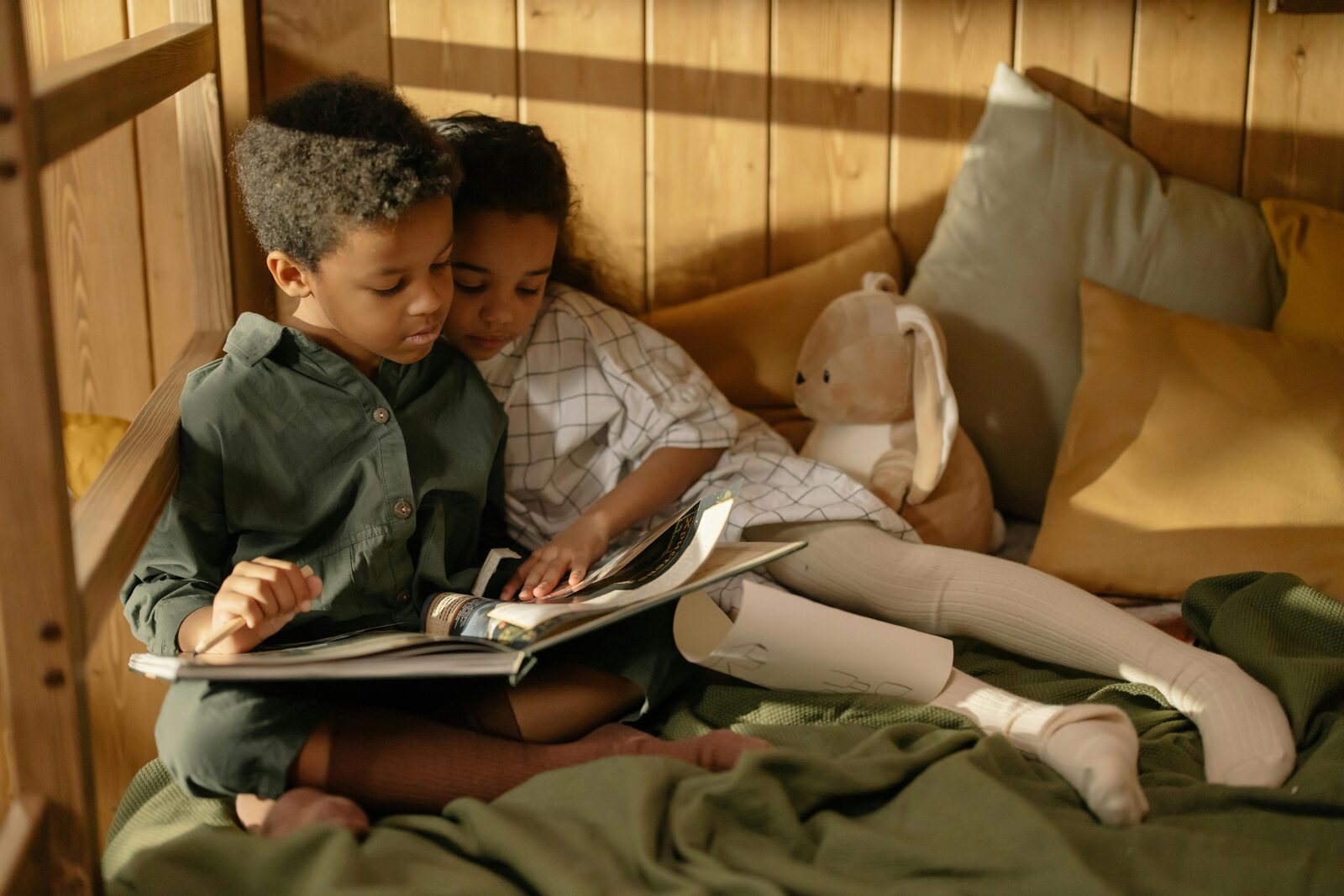
A real phone built for childhood, and an app that keeps you in the picture without taking over. See why parents choose it, or order today.

Sayph is a UK company, creating safer phones for children. Our smartphones remove social media, app stores and addictive features, helping reduce screen time and online risks. With a parent-controlled portal, Sayph supports safer independence and healthier digital habits for kids.
Get in Touch